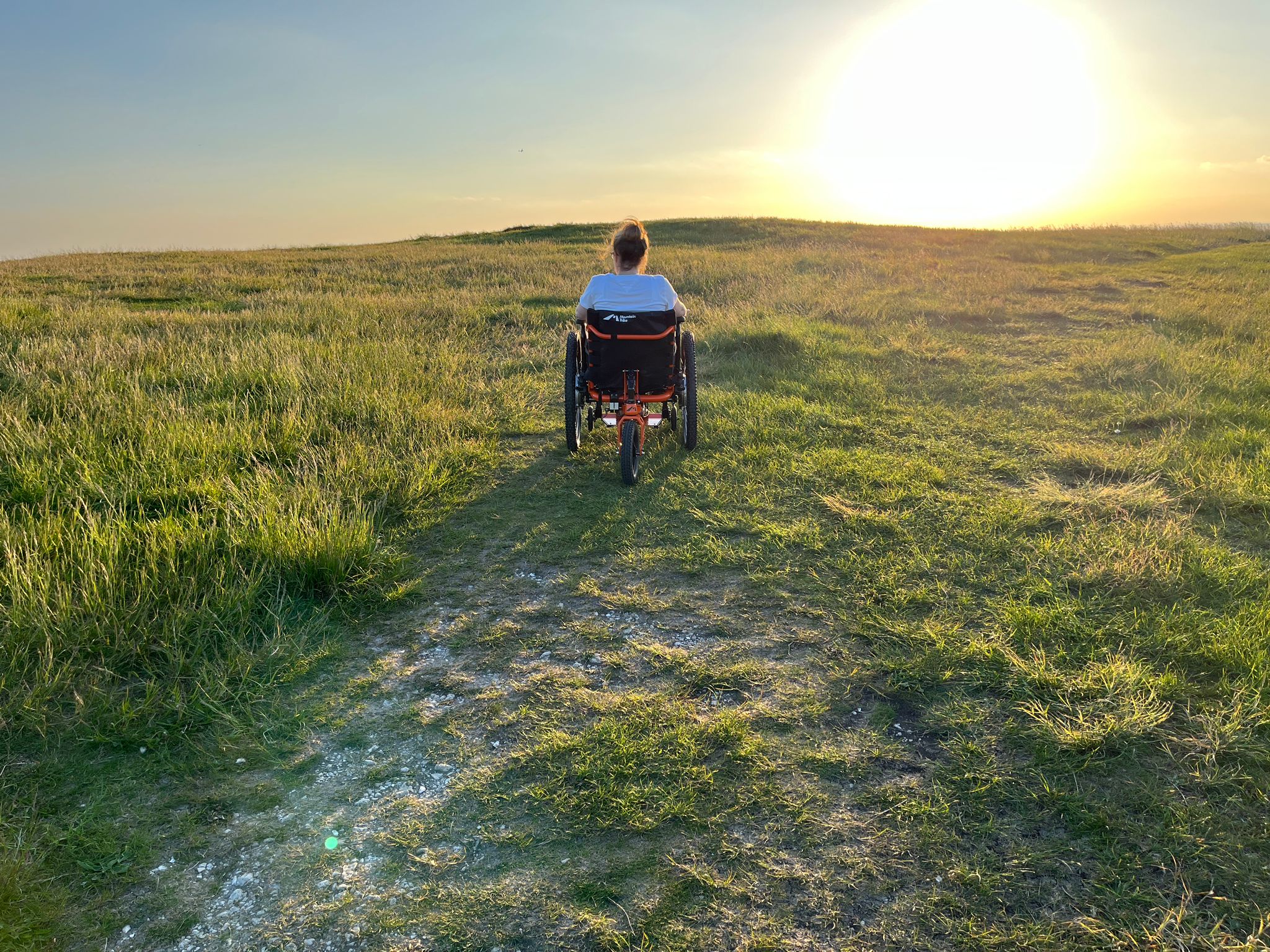
This guide helps you get your wheelchair ready for spring days out. Learn how to choose tyres, manage batteries in variable weather and plan accessible routes so you can go further
Spring in the UK brings fresh greenery, wetter paths and the first chance to explore parks, nature reserves and National Trust estates after winter. It also brings soft ground, ruts and freshly laid gravel that can sap energy and traction. A little preparation now will help you ride further, stay comfortable and keep your kit running smoothly.
This guide walks you through tyre choices and pressures, front-wheel and trike add-ons, power-assist settings, battery care in variable weather and a practical day-trip packing checklist. You will also find tips on planning accessible routes at National Trust and local parks so you can enjoy the best of the season with confidence.
Whether you prefer to keep active pushing on the hand-rims or use joystick control for longer outings, the right setup can preserve upper-body activity while taking the sting out of hills and rough surfaces.
Get your wheelchair ready for spring off-road outings
Start with a quick safety and comfort audit. Check your frame, axles and quick-release pins, then look closely at tyres and bearings. Grit and winter salt can hide in hubs and under seat rails, so wipe down, re-lubricate moving parts sparingly and make sure castor forks spin freely. If you use spoke guards or side guards, remove debris that could rub when riding through grass.
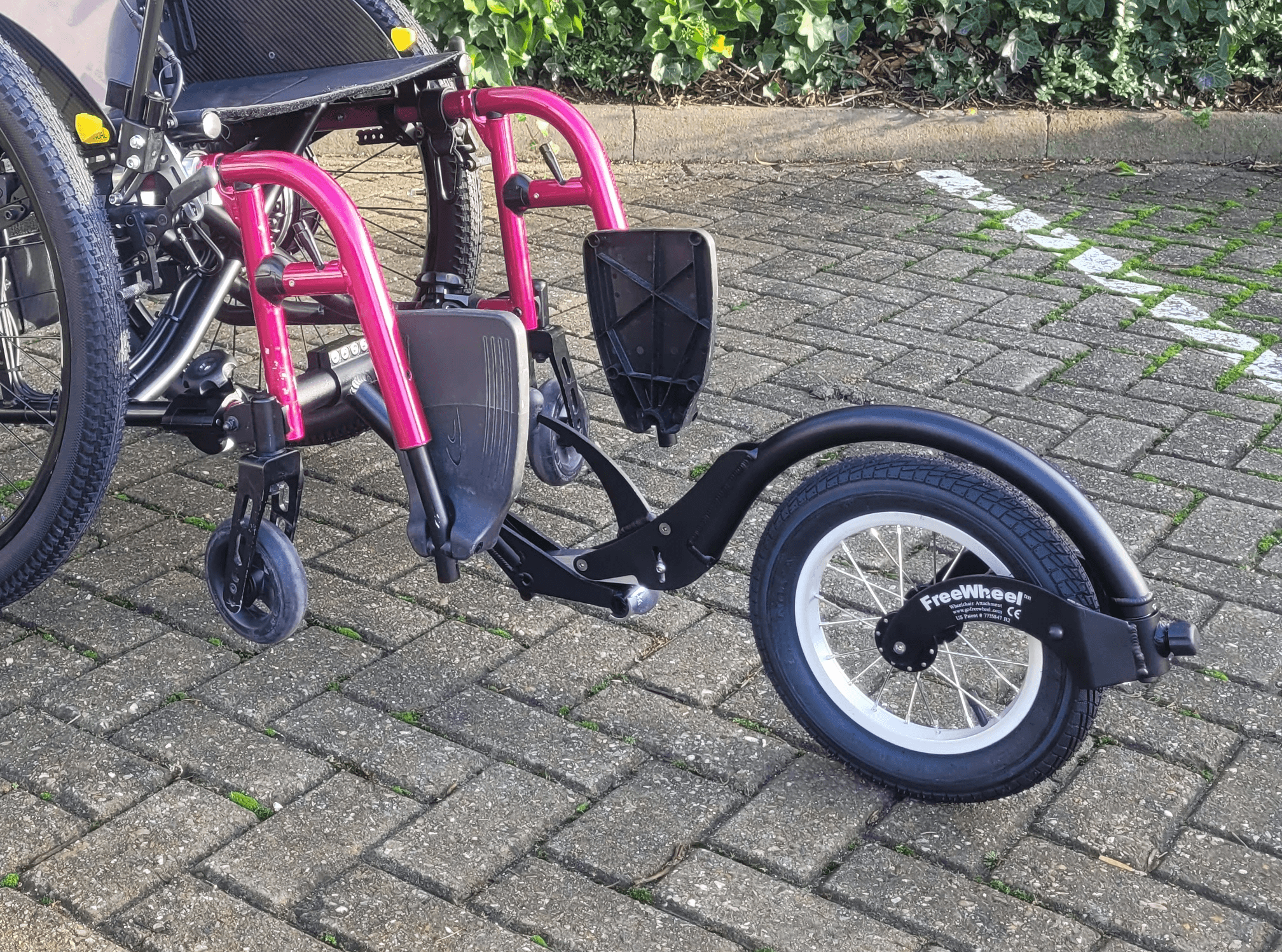
Next, think about traction and approach angle. On mixed paths, the limiting factor is often the small front castors digging into soft ground. A front-wheel conversion that lifts those castors clear can transform the ride. FreeWheel and TrackWheel style add-ons raise the nose, smooth out ruts and help you roll over gravel lips and tree roots more easily. If you prefer the simplicity of a single device for the rough stuff, a joystick-controlled trike with suspension and large tyres provides stable tracking on grass and woodland tracks.
Finally, tune your propulsion. Power-assist systems preserve your manual rhythm while giving a boost when you hit wet turf or a climb. Joystick-controlled drive units hand you precise control and steady torque, which is a relief on long sections of loose stone or when your shoulders are already doing more work on uneven surfaces.
If you want a purpose-built option for parks and trails, have a look at SD Motion Trike, an all-terrain wheelchair trike with big mountain bike tyres, suspension and joystick control. It can be a serious confidence boost on beaches, grass and woodland paths, and it folds down with quick-release wheels for transport. Explore the SD Motion Trike page to see how an all terrain wheelchair can expand your range: https://www.sdmotion.co.uk/sd-motion-trike
Tyres and pressures that work on grass and gravel
Tyre choice matters more on spring surfaces than in summer. Aim for grip and a forgiving ride without adding more rolling resistance than you need.
Go wider for softer ground. A 1.5 to 2.0 inch tyre spreads your weight and reduces sink on grass and damp soil. Knobbly treads help on mud, but a semi-slick centre with side knobs can roll faster on firm paths.
Run slightly lower pressures than you would on tarmac. As a starting point, drop 10 to 15 percent from your usual pressure. You want enough deformation to increase contact patch, not so low that the tyre squirms or pinches on curbs.
Match front to rear. If you fit a FreeWheel or TrackWheel, let that larger front wheel do the lifting and stability work, then fine-tune rear pressures to balance comfort with push efficiency.
Check often. Spring temperatures swing. A cool morning can drop pressure noticeably, and a sunny afternoon can raise it again. Carry a compact gauge and do a quick top-up at the car if needed.
For mixed paths, puncture protection is worth the small weight trade-off. Add lightweight liners or consider tubeless-ready builds where compatible to reduce pinch flats over rock edges.
Front-wheel, trike and power-assist options for mixed terrain
Front-wheel conversions are the simplest upgrade for a manual chair on grass and gravel. A single large wheel mounted at the footrest lifts the small casters and improves the approach angle so you float over ruts and stones rather than catching on them. TrackWheel style systems convert twin castors into one larger wheel, which can also help on wet lawns and uneven towpaths.
If you want to keep manual movement but reduce effort, power-assist add-ons such as SD Motion Assist provide selectable boost levels. You keep your stroke pattern, build fitness and protect shoulders, while assistance cuts through draggy turf and makes hills manageable. If you are looking at full joystick control on your everyday chair, SD Motion Drive converts a manual wheelchair into a joystick-controlled power chair with adjustable speed levels and modes. It is good for longer park loops and variable gradients when you want steady power without overloading your upper body.
For dedicated off-road days with friends or family, the SD Motion Trike brings full joystick control, suspension and big 26 inch tyres. It handles woodland tracks, grass fields and fresh gravel with a stable, comfortable feel.
Power settings, joystick control and preserving activity
Think of assistance as a variable tool. On firm paths, dial the boost back to keep your manual rhythm and save battery. As you approach a climb or a muddy patch, increase to a mid level before you lose speed. This avoids heavy pushes that strain shoulders.
For joystick-controlled systems, set a modest top speed with responsive torque so you can climb slowly without wheelspin. Soft or standard drive modes are often smoother on wet gravel because they feed power in progressively. The benefit is simple; you stay engaged and in control while the system takes the hit on friction and gradient.
If you are out with a carer, an attendant controller gives instant handover for tight gates or awkward cambers, then you take control again for the open trail. That flexibility helps you go further without overcooking any one section.
If a full trike is on your radar, see how an off road wheel chair option like SD Motion Trike handles beaches, grass and woodland paths: https://www.sdmotion.co.uk/sd-motion-trike
Battery care in variable spring weather
Batteries dislike extremes. Spring brings cold mornings, showers and occasional warm spells, so manage temperature and top-up habits.
Store and charge at room temperature where possible.
If the pack is cold, let it warm indoors before heavy use. Cold cells deliver less current and can show reduced range.
After a chilly or very wet outing, allow the battery to return to a comfortable temperature before recharging.
Top up regularly rather than deep discharging. Avoid leaving a battery empty for long periods.
Keep contacts clean and dry. Wipe moisture away before docking the pack, and carry a small dry cloth in your bag.
If you need a spare NiMH or Li-ion pack, SD Motion holds UK stock with next-working-day delivery subject to availability. Contact the team to discuss any battery needs.
Plan accessible routes at National Trust and local parks
Most National Trust sites and local councils publish accessibility notes for paths, gradients and surfaces. Before you go, check:
Surface descriptions for key loops, including mentions of gravel depth and recent maintenance.
Gate widths, steps or kissing gates, and whether radar keys are needed.
Parking proximity, accessible toilets and café access.
Call ahead if in doubt. Spring can be busy after rain closures, and staff often know which woodland rides or garden paths drain fastest. Bring a paper map or offline download in case mobile signal fades in rural pockets.
What to pack for a spring day on the trails
Keep bags light but purposeful. A compact checklist helps you cover the common variables without overloading:
Tyre kit: mini pump, pressure gauge, spare inner tube or sealant, small multi-tool and spoke key.
Battery and power: spare charged battery if you have one, charging cable or USB-C lead for joystick units, and a dry pouch.
Wet and warmth: lightweight waterproof, spare gloves, small towel or cloth for wet rims.
Comfort and safety: cushion check, anti-tip or strap spares if used, hand sanitiser and any medication.
Access extras: radar key, membership card or parking permit, and a simple sling or strap for gates or stiles if you use one.
Food and hydration: water, warm drink flask on colder mornings and energy-dense snacks.
Pack heavier items low and central to keep handling predictable. If you use racks on a trike, split weight evenly.
Quick FAQ
How do I get my wheelchair ready for spring off-road outings?
Give it a clean and lube, check bearings and axles, fit a front-wheel conversion if you use castors, choose wider tyres and set slightly lower pressures. Add power-assist or joystick control if you want help on hills and soft ground.
What tyres and settings help on grass and gravel?
Wider tyres with moderate tread improve float and grip. Drop pressure by about 10 to 15 percent from your road setup. Use mid assistance before you slow down, and choose soft or standard drive modes for smoother torque on loose surfaces.
How should I care for batteries in variable weather?
Keep them warm before use, avoid deep discharges, top up regularly, dry contacts after rain and let packs return to room temperature before charging.
What should I pack for a day on the trails?
A mini pump, tube or sealant, multi-tool, spare battery or cable, lightweight waterproof, gloves, towel, radar key, snacks and water cover most needs.
Summary and next steps
Spring riding rewards a little planning. Wider tyres at sensible pressures, a front-wheel conversion or a joystick-controlled trike, and thoughtful power settings will keep you moving smoothly over grass, gravel and damp woodland paths. Look after your batteries, plan routes with current access info and pack a light, focused kit.
If you want to try a front-wheel setup, power-assist or a dedicated trike before the summer rush, the SD Motion team can help you compare options and arrange a demonstration. Explore the range and get set for longer, more enjoyable days out.